
The short answer
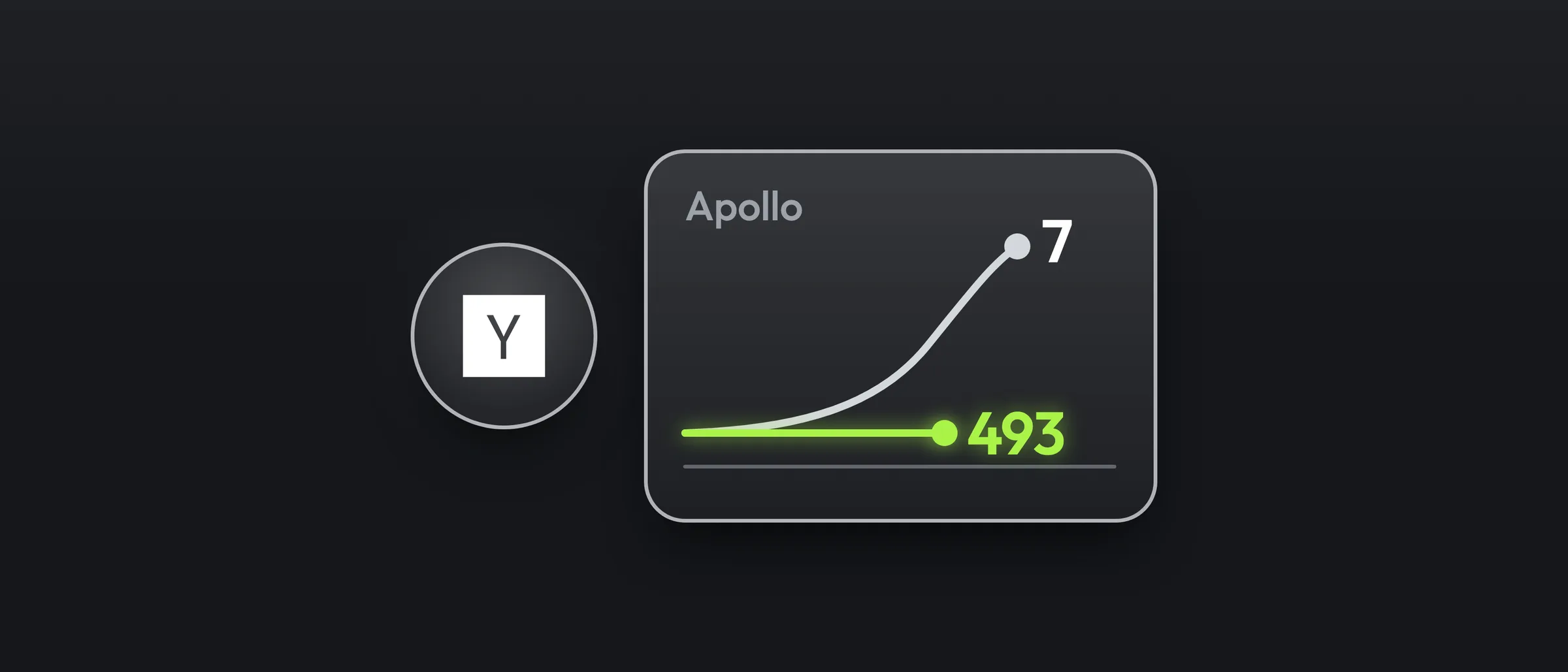
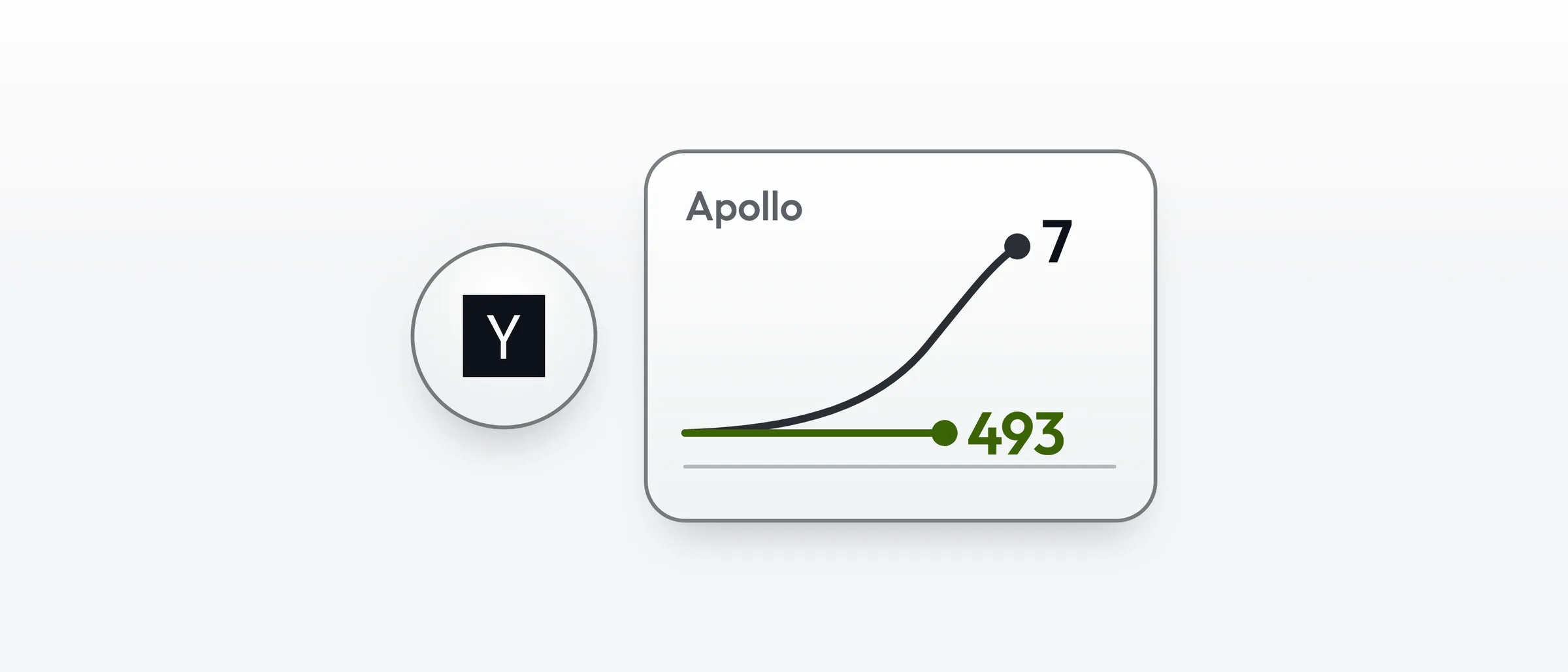
Outside the 7 largest US tech companies, AI is not yet paying off. Apollo's 24 October 2026 note found revenue per worker and profit margins flat across the other 493 S&P 500 companies. A UK government survey found 77% of businesses using AI saw no change in revenue. It pays where small firms use AI for marketing, outreach and research.
On 24 October Torsten Slok, the chief economist at Apollo, published a short note called No Signs of AI Payoff Outside the Tech Sector. It reached the front page of Hacker News and drew more than 670 comments.
I'd have to agree with it. A lot of small and medium businesses use AI every day and get no direct return from it.
This month I was at a digital and marketing with AI event at Davy. Parts of it were useful, and I won a client from it. The people at events like that already use AI or want to. So the question I'd put to all of them, and to you, is simple: are you actually making money with AI, or just using it for vanity?
What Apollo found about AI outside big tech
Revenue and margins are rising at 7 companies. At the other 493 they are flat.
Apollo's note compares the 7 largest US tech companies, Apple, Microsoft, Alphabet, Amazon, Meta, Nvidia and Tesla, with the other 493 in the S&P 500. Since 2023 revenue per worker has climbed for the 7. For the 493 it has barely moved since 2019.
Profit margins follow the same pattern. The 7 are at the highest margins on Apollo's chart, which goes back to 2015, and the 493 are still below their 2021 peak.
US productivity figures show no AI lift either. Labour productivity grew 2.2% in the year to the second quarter of 2026, according to the Bureau of Labor Statistics, close to the 2.1% a year it has averaged since late 2019.
The San Francisco Fed's adjusted measure of total factor productivity, the part of growth that comes from working smarter instead of adding people or machines, was flat over the same 4 quarters.
US business spending on AI keeps rising. Ramp, which tracks card and bill spending at more than 85,000 US businesses, found 55.9% of them paid for AI tools in September 2026, up 12.1 points on a year earlier.
The spending is lopsided though. Ramp found 1% of firms account for 80% of the money going to OpenAI and Anthropic, and Apollo's chart shows 80.4% of the top 1% of AI spenders are venture-backed, against 13.1% of the median spender.
So adoption is up and the payoff is flat. Slok's conclusion is that the AI story will be decided in the 493, not the 7.
The note covers large US listed companies only, with nothing on private firms, the UK or Ireland. The charts do not separate AI from everything else moving those numbers. And the 493 are growing: FactSet put their blended earnings growth for the third quarter at 27.7%. None of that growth shows up yet as more revenue per worker or wider margins.
What Hacker News made of it
Most commenters accepted the data and argued about why.
In the Hacker News thread on Apollo's note, which drew more than 670 comments, most commenters accepted the numbers and argued over whether AI's payoff is late or missing.
The sceptics had first-hand stories:
- One commenter used Copilot to rename scanned cheques and invoices and often got back 15 or fewer of 20 lines, and the company later removed Copilot access.
- Another runs AI transcription on inbound customer calls and said it is "just not reliable enough yet", because the transcripts come out confident, plausible and wrong.
- A third said AI meeting summaries at a company they worked at caused miscommunication by dropping or misstating what mattered.
Several made the same point: code has tests that catch an AI's mistakes and most other work does not, so someone has to check every line.
The most common defence was the lag. Computers took decades to show up in productivity statistics, and factories only gained from electricity once they were rebuilt around the motor. One commenter said the S&P 500 cannot see small firms at all, and small firms adopt faster.
The accounting lead at a small US public company reported faster reporting and fewer audit findings. One commenter's partner, who works in compliance, built a form-and-approval app in a morning with ChatGPT. The wins were narrow tasks with a check built in.
Overall the thread leaned sceptical about the next few years and hopeful about the long run, and the most concrete evidence of a return came from individuals and small teams.
Where I agree: faster work only counts if it moves revenue or cost
A lot of AI use speeds up the work and never reaches the bank account.
For most small and medium businesses, AI speeds up some work without producing a direct return, and I agree with Apollo on that. Sometimes it does not even speed it up. Correcting the AI, going back and forth with it, can lower the quality of the work and waste more time than doing it yourself.
One commenter on the thread described the vanity version plainly: people outside engineering using AI to send more emails, hold more meetings and make more documents and dashboards. None of that brings in a client or takes out a cost.
Only 17% of Irish chief executives reported revenue gains from AI in the past year in PwC's 2026 CEO Survey, against 29% globally, though only 57 Irish CEOs answered.
The UK government's own research, published in January 2026, found 77% of businesses using AI had not yet seen a change in revenue and 12% saw an increase, even though 75% reported more productive staff.
And a survey of 404 Irish small firms for the Small Firms Association found 92% use off-the-shelf tools like ChatGPT and Copilot.
Few businesses using AI report more revenue
Share reporting higher revenue from AI, latest Irish and UK surveys
17%report higher revenue
12%report higher revenue
24%report higher revenue
Sources: PwC CEO Survey 2026 via ThinkBusiness; DSIT AI Adoption Research, January 2026; FSB via Business Times, June 2026. Samples and questions differ.
Where I disagree: the lag, and gains that stay personal
Small firms already show the gains the statistics miss.
I don't buy the just-wait argument. An owner can't wait 10 years for a return.
The second thing I disagree with is that the gains stay with the person using the tool. I talk to clients who had no background in digital marketing, operations or tech. They use AI to learn: it explains step by step how something works and why. That lets a non-technical owner act as the middle person between their business and the technical side.
And it shows up in the business. Small firms are scaling faster with fewer people than they could a few years ago. A 5-person firm can now get help with marketing, outreach, strategy and some of its research from AI.
Irish SMEs that invest in AI report significant productivity gains more often than large firms, 18% against 8%, according to research by Trinity College Dublin and Microsoft Ireland across 250 organisations this year. Having a formal AI policy and reporting major gains go together: 30% against 3%.
What to do this week: ask your staff
Ask before you buy anything new.
Ask each person on your team what they use AI for, and which tools. Include anything they use on their own accounts.
On Hacker News one commenter met a contract manager at a large US cable company who said he'd cut his 8-hour days to a few hours using Claude. As far as the commenter could tell, he was using the chat website, with nothing connected to the company.
Then sort what you hear into 3 piles:
- Uses that bring in revenue or cut a cost.
- Uses that save time but change nothing you can measure.
- Uses where people spend longer correcting the AI than they would doing the work.
Keep the first pile. Stop the third. The second needs a closer look.
The first pile is where a company system starts. Write down how the team should use it, what data stays out of it and who checks the output, so the gain belongs to the business. If you want those workflows mapped before you spend on a build, that is what an AI audit does, and AI Strategy & Advisory turns the map into a written 90-day plan.
I'm collecting honest answers to the question at the top of this post. Are you making money with AI, or using it for vanity? Tell me through the contact page.
If you'd rather talk it through, a Free Business Check is a 30-minute call on your business priorities and bottlenecks. It ends with your AI Recommendation Plan, yours whether you hire us or not. If AI is not worth it for your business yet, I'll tell you.
Sources
- 01Apollo, Torsten Slok, No Signs of AI Payoff Outside the Tech Sector, Daily Spark, 24 October 2026.
- 02Hacker News, discussion of the Apollo note, 24 October 2026.
- 03U.S. Bureau of Labor Statistics, Productivity and Costs, second quarter 2026, revised, 3 September 2026.
- 04Federal Reserve Bank of San Francisco, Total Factor Productivity, data to the second quarter of 2026.
- 05Ramp, AI Index, September 2026 data, and Ara Kharazian, Cracks in the AI Thesis Part 3, 14 October 2026.
- 06FactSet, John Butters, Are Magnificent 7 companies still top contributors to S&P 500 earnings growth for Q3?, 19 October 2026.
- 07ThinkBusiness, PwC CEO Survey 2026: Ireland and AI, 20 January 2026.
- 08Department for Science, Innovation and Technology, AI Adoption Research, January 2026.
- 09RTÉ, Small firms and AI, Small Firms Association survey, 10 August 2026.
- 10Business Times, FSB on AI adoption in small businesses, 23 June 2026.
- 11Microsoft Ireland and Trinity College Dublin, AI Economy Ireland 2026, 29 April 2026.
- 12Department of Enterprise, Tourism and Employment, digital transformation supports for SMEs.
Frequently asked
Free resources
Ready to remove the work itself? Start with Workflow Automation.